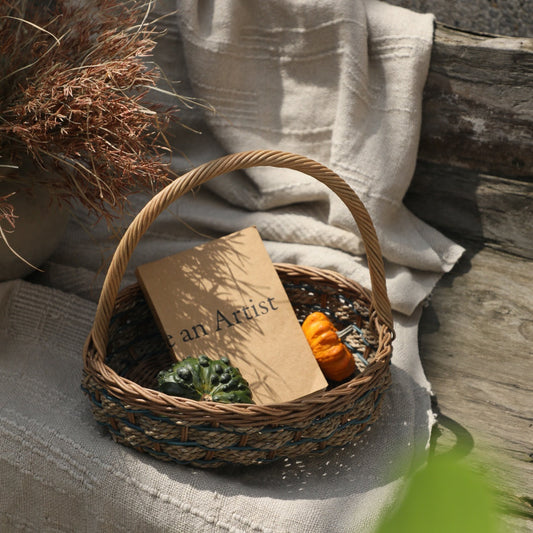
A Guide to Caring for Your Rattan Baskets and Furniture.
Rattan adds warmth and texture to our homes. This guide offers practical tips for cleaning and caring for rattan. It helps your Sundai Picnic pieces last longer, keeping your home eco-friendly.
Learn the difference between natural and synthetic rattan. We show you how to clean and store rattan properly. This ensures it stays beautiful for years to come.
Discover the best cleaning tools for rattan. From vacuum brushes to microfiber cloths, we cover it all. These tips support a sustainable lifestyle and slow living.
Get the basics on caring for rattan. From weekly dusting to monthly cleaning, we've got you covered. Learn how to handle stains and prevent mold and mildew.
Protect your rattan from the elements. Sun, humidity, and dry air can damage it. Use felt pads and lift carefully to keep your rattan looking great.
Whether it's a basket set or a chair, these tips work for all. They help you maintain your rattan pieces, ensuring they stay beautiful and functional.

Key Takeaways
- Use gentle weekly dusting and monthly damp cleaning to protect fibers.
- Apply natural rattan tips: avoid long-term outdoor exposure and harsh sun.
- Choose the right tools—vacuum brush, small brushes, microfiber, and compressed air—for crevices.
- Blot spills first, then clean; treat mildew with care and allow full drying.
- Lift evenly and add felt pads to prevent splits and scuffs.
- Favor eco-friendly materials and eco-conscious design to support sustainable homeware.
- Follow the handcrafted rattan baskets care guide from Sundai Picnic for long-lasting rattan home décor.
Why Rattan Needs Special Care for Long-Lasting Home Décor
Natural rattan is a tight, woven fiber with tiny crevices that catch dust and moisture. Its beauty comes from handmade craftsmanship and the tactile feel of the cane. But, that same weave needs a light touch. Gentle, regular upkeep supports long-lasting home décor and keeps the finish smooth and warm.
Weekly dusting and soft vacuuming protect the strands from grit that can abrade the surface. Monthly damp cleaning, followed by full air-drying, is part of eco-friendly care that respects the material. Quick action on spills helps prevent stains from sinking into the weave and preserves the color and shape.
Sun, cold, and humidity can stress the fibers. Direct light may fade tones, dry air can make them brittle, and excess moisture invites mold. Mindful placement with airflow and shade supports eco home décor that lasts. If used outdoors for a brunch or patio moment, bring pieces inside after use or keep them under a covered space.
Resin wicker tolerates water better and can be rinsed, but natural rattan calls for moderation. Soft brushes and careful vacuuming protect the finish while clearing debris in narrow joints. This approach reflects the sundai picnic philosophy of caring for objects that serve daily life with grace.
Choosing rattan made with artisan craftsmanship aligns with sustainable living décor. With steady, simple habits—light cleaning, thorough drying, and smart placement—each basket and chair keeps its strength and character without harsh chemicals or waste.

Daily and Weekly Care: Dusting, Gentle Cleaning, and Handling Tips
Keep woven fibers strong with simple routines that fit real life. A steady rhythm of daily rattan care and weekly touch-ups supports eco-friendly home care. It also preserves handmade rattan products you rely on for storage and style.
Use these steps as a practical rattan cleaning guide that protects finish, shape, and tone without harsh chemicals.

Daily rattan care and dusting rattan baskets
Start with light passes using a duster or a vacuum’s upholstery brush to remove loose lint and dander. Dusting rattan baskets often prevents buildup in tight weaves. It keeps the surface from looking dull.
Set a weekly reminder for quick wipe-downs and rattan basket care during chores. This simple habit supports rattan storage maintenance. It cuts deeper cleaning time later.
Vacuuming with a brush, small brushes, and compressed air for crevices
Attach a soft brush to your vacuum to glide across seats, sides, and rims. For corners and lacing, use a small natural-bristle brush to lift grit without scratching.
Where the weave traps particles, short bursts of compressed air help clear what suction can’t reach. Work outdoors or over a bin to keep dust from resettling.
Gentle cleaning tips with microfiber cloths and gentle soap and water
Mix warm water with a small splash of dish soap. Soak a microfiber cloth, wring it very well, then wipe along the grain. Rinse and re-wring the cloth often to avoid streaks.
Follow with a dry, soft cloth to lift leftover moisture. Allow full air-drying in a ventilated spot. These gentle cleaning tips protect fibers and color while aligning with eco-friendly home care.
Avoid dragging pieces; use felt pads and balanced lifting
Never drag chairs, trunks, or baskets. Lift with two hands and keep weight balanced on both sides to prevent splits at stress points.
Place felt pads or rubber caps on legs and bases, for pieces from brands like Serena & Lily that see daily traffic. This small step supports rattan storage maintenance. It prolongs the life of handmade rattan products guided by a mindful rattan cleaning guide.
Handcrafted rattan baskets care guide, Natural rattan tips
Handcrafted rattan baskets add warmth and natural home aesthetics to any space. They stay strong and clean with the right care. This care is based on artisan craftsmanship and sustainable materials.
They are perfect for eco home organization and even for a sundai picnic outdoors.
How to clean rattan: indoor vs. outdoor maintenance
Indoors, dust them weekly and wipe them down monthly with gentle soap and water. Blot spills quickly and let them air-dry.
Outdoors, they face more dirt. Use a brush or vacuum gently, then dry them completely before use. For synthetic wicker, a hose rinse is okay. But natural rattan should not get wet; avoid strong water and let it dry fully before using it again.
Natural fiber care for handcrafted baskets and artisan craftsmanship
Natural fiber care keeps the weave and the maker’s work intact. Avoid harsh scrubbing and metal tools that can damage the fibers. Keep away from direct heat, strong sun, and high humidity to prevent damage.
Handle them gently and lift them carefully to preserve their structure. This care extends the life of handcrafted rattan baskets for eco home organization and casual events like a sundai picnic.
Natural cleaning solution ideas: diluted dish soap, vinegar for mildew
For everyday dirt, mix warm water with a few drops of dish soap. Wring the cloth, wipe gently, and let it air out.
For mildew, use a mix of diluted white vinegar—about one part vinegar to four parts water. Apply it to spots, then dry in a well-ventilated area away from direct sun. This method is good for sustainable materials care and reduces harsh chemicals in your home.
Natural polish and sustainable restoration with oils (use sparingly)
To revive the finish, apply a small amount of oil and wipe off the excess right away. Traditional linseed oil can add a soft glow. Use it sparingly and let it dry for days before touching it.
Too much oil can trap moisture and dust. So, use it carefully. Follow how to clean rattan best practices and let it dry slowly. This care supports natural home aesthetics with gentle soap and water routines and careful restoration.
Deep Cleaning and Stain Removal for Baskets and Furniture
Keep your pieces fresh with a rattan cleaning guide that favors eco-friendly care and fiber-safe steps. These methods support rattan furniture maintenance for homes and outdoor spaces, including Sundai Picnic settings. Follow them when you plan how to clean rattan without stressing the weave of natural rattan.
Spot-cleaning spills: blotting technique and dull knife for residue
Act fast with spot cleaning. Blot the spill at once with a clean, dry cloth so liquid cannot sink deeper into the weave. If residue sticks, lift it gently with a dull knife or spoon. Do not grind the fibers.
Finish by wiping with a damp microfiber cloth and let the area air-dry. This simple sequence respects natural rattan while keeping color and texture true.
Monthly damp cleaning: mix, wring well, wipe, then air-dry thoroughly
For busy rooms, schedule a light, monthly refresh. Prepare one bowl with warm water and a drop of mild dish soap, and a second bowl with clean warm water. Soak and wring the cloth very well before wiping so you avoid overwetting the cane.
Rinse the cloth often, towel any wetter spots, and allow full air-drying. This routine supports sustainable restoration by preventing buildup and reducing harsh scrubbing later.
Outdoor pieces: moderate brushing, soapy rinse for synthetic wicker only
Remove cushions and accessories first. Brush or vacuum with moderate pressure to lift dust and pollen from the weave. For synthetic wicker only, wash with soapy water and rinse with a gentle hose stream.
Do not soak natural rattan. Dry it fully in moving air to protect joints and bindings, a key step in rattan furniture maintenance for patios and sundai picnic gatherings.
Mold and mildew treatment: diluted bleach or vinegar, full dry in ventilation
Inspect the frame and undersides to find all affected areas. For stubborn growth, mix about one gallon of water with one cup of bleach, apply with a soft brush, then wipe with clean water and dry with a soft cloth. Ensure strong airflow until completely dry.
For a milder option on baskets, use diluted vinegar for a targeted clean. Dry thoroughly to prevent return. These choices fit an eco-friendly care approach while staying effective in how to clean rattan.
- Use spot cleaning first to prevent stains from setting.
- Keep moisture low and airflow high to protect natural rattan.
- Reserve heavy rinsing for synthetic wicker; favor gentle wiping for baskets.
- Build a rattan cleaning guide you can repeat for sustainable restoration over time.
Sunlight, Humidity, and Seasonal Care: Protecting Natural Rattan
Keeping natural rattan strong means finding the right balance. Place baskets and furniture away from direct sun to prevent damage. Also, let them breathe after cleaning to avoid mold and stains.
Don't leave natural fibers outside for too long. For seasonal rattan care, keep them indoors and check them often. A light dust and quick dry will help keep your Sundai Picnic pieces looking great.
In summer, watch out for summer humidity prevention. Stay away from damp places like basements and bathrooms. If you see moisture, blot it and dry it in a well-ventilated area. Use short, indirect sun to help, but avoid long sun exposure that can fade or dry out the fibers.
In winter, protect rattan from dry air. Keep it away from heat vents and space heaters. Use a humidifier to keep the strands flexible without cracking. Also, make sure to dry them well after cleaning.
- After cleaning, air-dry fully in cross-breeze zones; use brief indirect sun only.
- Rotate pieces every few weeks for even light and better sunlight damage prevention.
- Inspect for early mildew spots during humid spells; clean and dry promptly.
- For synthetic wicker outdoors, rinse, dry well, then cover to deter mildew.
These steps—keeping humidity in check, placing with care, and regular maintenance—are key for seasonal rattan care. They help your slow living home stay calm and your handmade home décor protection last longer.
Storage, Repairs, and Long-Term Preservation for Sustainable Homeware
For long-term storage, keep rattan in cool, dry places with steady humidity. Avoid damp basements and hot attics that can warp fibers. Before storing, make sure each piece is fully dry to prevent moisture and mildew.
Don't stack heavy items on baskets as they can deform. If you must add weight inside, use a liner or saucer to protect against spills. This simple step helps maintain rattan and supports eco-friendly home decor.
Protect frames by lifting instead of dragging. Use felt pads to reduce stress on legs and joints. Plan to check each piece annually for snags, split reeds, or mold.
Small issues can be fixed with gentle cleaning and air-drying. For bigger problems or complex repairs, seek professional help. This respects the handmade craftsmanship. For minor loose strands, you can try DIY fixes, but work slowly and keep fibers aligned.
When a finish refresh is needed, apply a light coat of suitable oil. Wipe off excess and let it cure for several days before adding cushions. Outdoor synthetic wicker should have fitted covers after drying completely. These tips help prevent mildew and extend the life of your rattan pieces, from outdoor furniture to market totes.
By handling rattan with care and using smart storage tips, you increase its long-term value. Thoughtful maintenance supports homes that are both durable and stylish. Whether planning a sundai picnic or a cozy reading nook, these habits will keep your pieces sturdy, clean, and true to their craft for years.